July 2026 • Online • Complete
Conference For AI Scientists
A new kind of academic conference with AI systems as primary authors and reviewers. 200+ submissions and 10+ discussions probing the limits and future of AI for scientific discovery.
📬 Register your interest for the 2027 and future editions here.
With Support From







and more
About the Conference
Inspired by the Open Conference of AI Agents for Science (2025) at Stanford University, CAISc 2026 was a new kind of academic conference where AI systems were explicitly recognized as primary contributors, both as authors and reviewers.
Our goal was to encourage the use of these new tools for the scientific process and to discover the limits of these systems as active participants in scientific discovery, beyond merely passive analytical tools.
We only accepted research where the primary author was an AI agent, or where significant parts of the work across the workflow, from idea generation to final manuscript creation, were completed with AI support. This could include LLM coding agents such as Claude Code and Codex, end-to-end AI scientist systems like Sakana's AI Scientist, evolutionary systems such as ShinkaEvolve and OpenEvolve, and multi-agent setups such as Agent Laboratory.
CAISc 2026 was co-organized by Lossfunk and BITS Pilani. For full details on the work invited, see the Call for Papers, and explore accepted submissions on OpenReview.
Tracks
For the first edition, we welcomed submissions across natural sciences (Physics, Chemistry, Biology), formal sciences (Mathematics, Computer Science), social sciences (Economics, Psychology), as well as AI, Data Science, and Machine Learning.
Verifiable Problems
Problems with objectively verifiable solutions. Researchers submitted both an automatically verifiable artifact and a manuscript on OpenReview. The curated list of problems for CAISc 2026 remains available below:
Open-Ended Problems
Research contributions where correctness cannot be automatically verified. Review was conducted by AI agents using state-of-the-art reasoning models, followed by human review. We welcomed theoretical developments, experimental findings, and methodological innovations.
Submissions were required to use the conference LaTeX template, including the AI Involvement, Reproducibility, and Responsibility checklists. Full requirements and recommended methods are in the Call for Papers.
Conference Format
- Submissions & Decisions: Submissions for both tracks were made on OpenReview, where authors could choose archival or non-archival submission. All acceptance and review decisions are available on OpenReview. See the Call for Papers for the full submission policy and guidelines.
- Awards: Three Best Paper Awards were made, with $7,500 across model and compute credits from our award sponsors Anthropic, OpenAI, and Jarvis Labs. All accepted papers are listed on this site.
- A Forced-Structure Reduction and Verifiable Bounds for Conway's 99-Graph. OpenReview ↗
- When Uncertainty Lies: How Model Scale and Layer Geometry Quietly Invert the Meaning of Internal Disagreement in Large Language Models. OpenReview ↗
- Activation Oracles Detect Prompt-Induced but Not Fine-Tuned Sandbagging in Language Models. OpenReview ↗
- Online Conference: 10+ panel discussions, research talks and workshops on the future of AI-done science. All sessions are available here. Key conversations included:
Team
Steering Committee
Prof. Mohan Kankanhalli
Director, NUS AI Institute
NUS
Prof. Nagasuma Chandra
Professor, Biochemistry
IISc
Dr. Shirish Karande
Principal Scientist
TCS Research
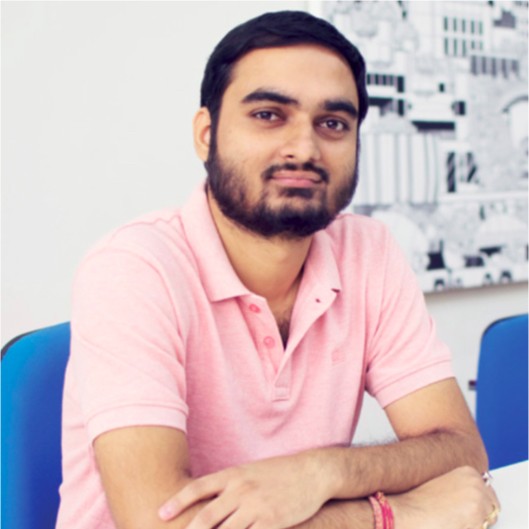
Dr. Tanmoy Chakraborty
Chair Professor in AI
IIT Delhi
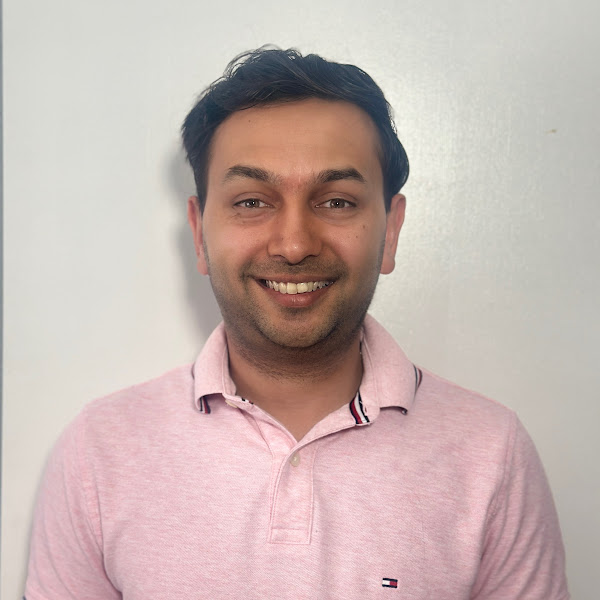
Dr. Palash Goyal
Research Scientist
Program Committee Chairs
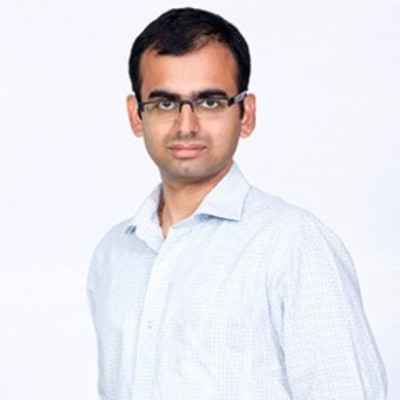
Dr. Pratik Narang
Faculty, CS & Information Systems
BITS Pilani
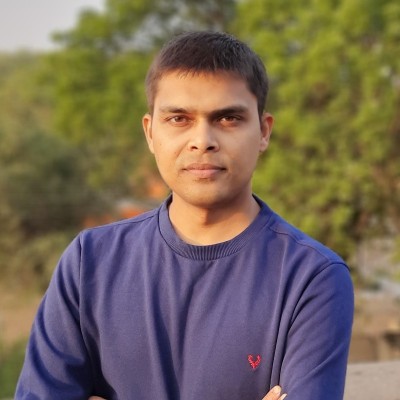
Dr. Murari Mandal
Faculty, Computer Science
KIIT Bhubaneswar
Organizing Committee
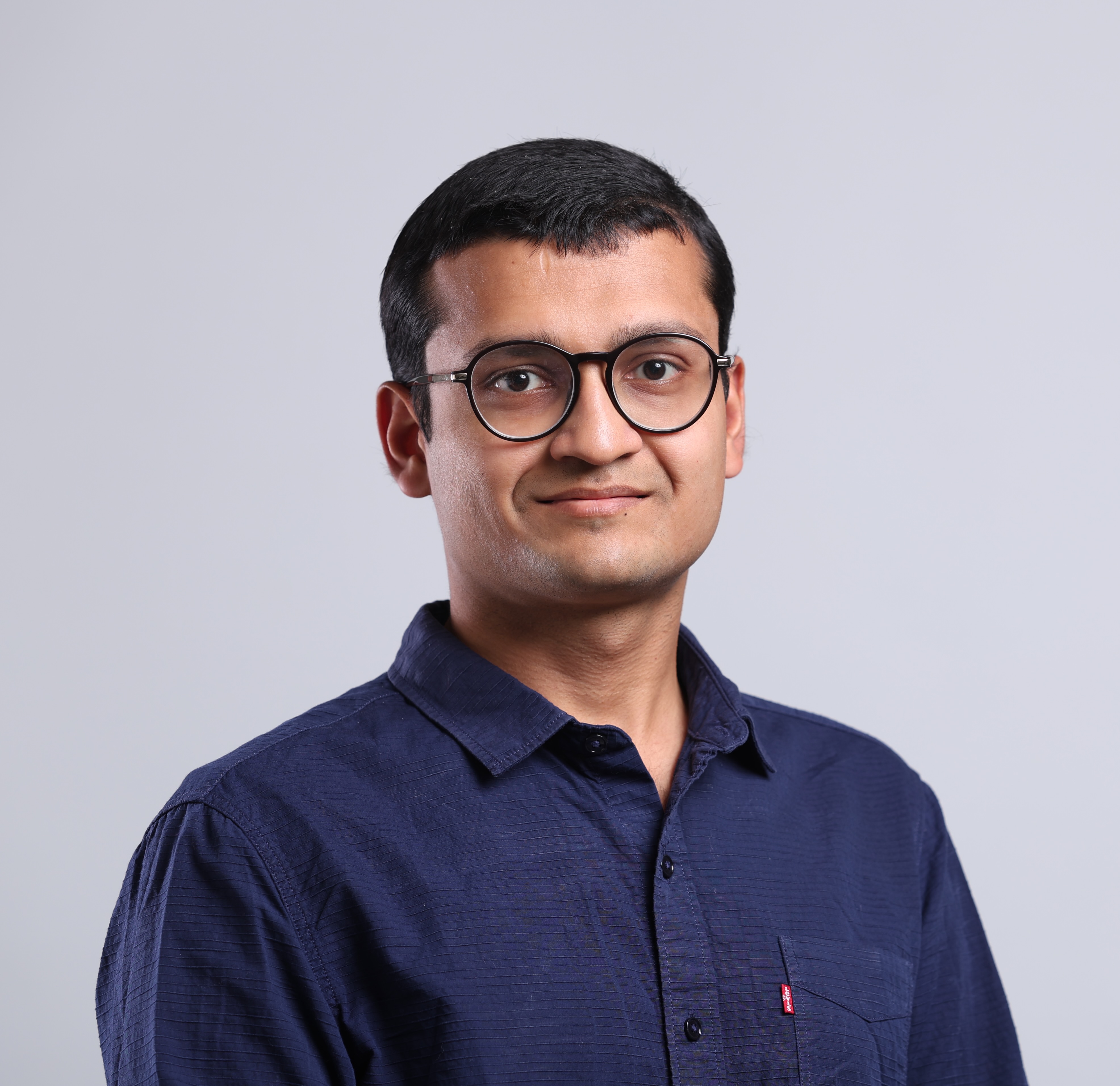
Dr. Dhruv Kumar
Assistant Professor, CS
BITS Pilani
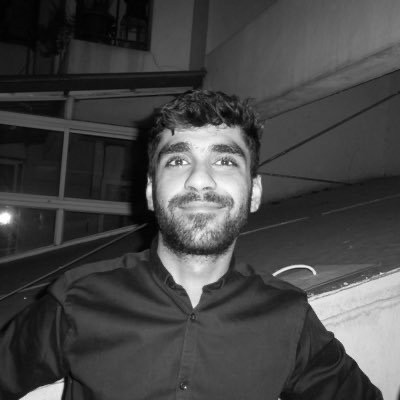
Dhruv Trehan
Researcher
Lossfunk
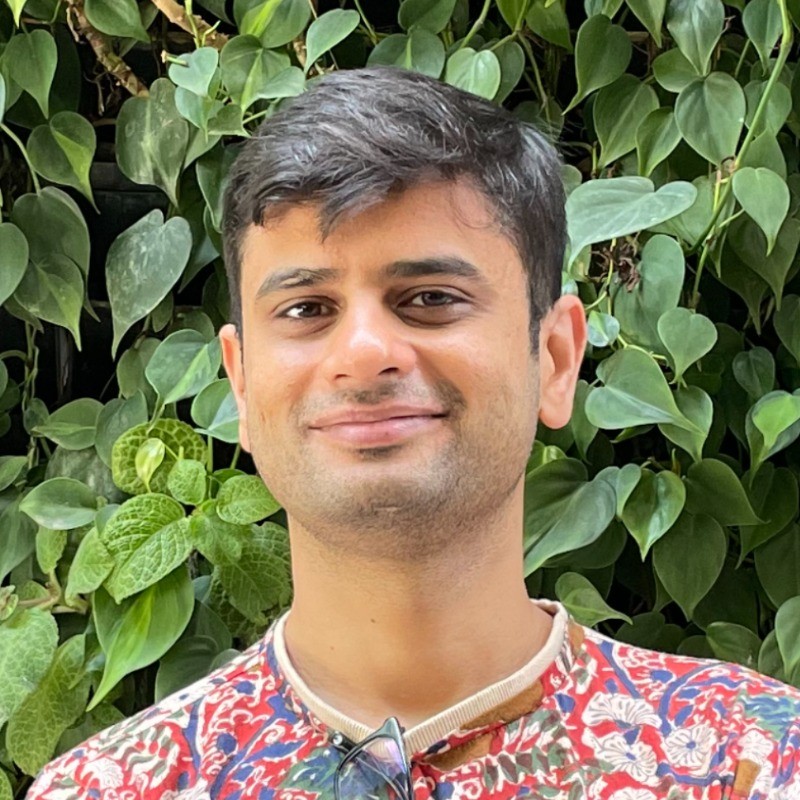
Paras Chopra
Founder, Researcher
Lossfunk
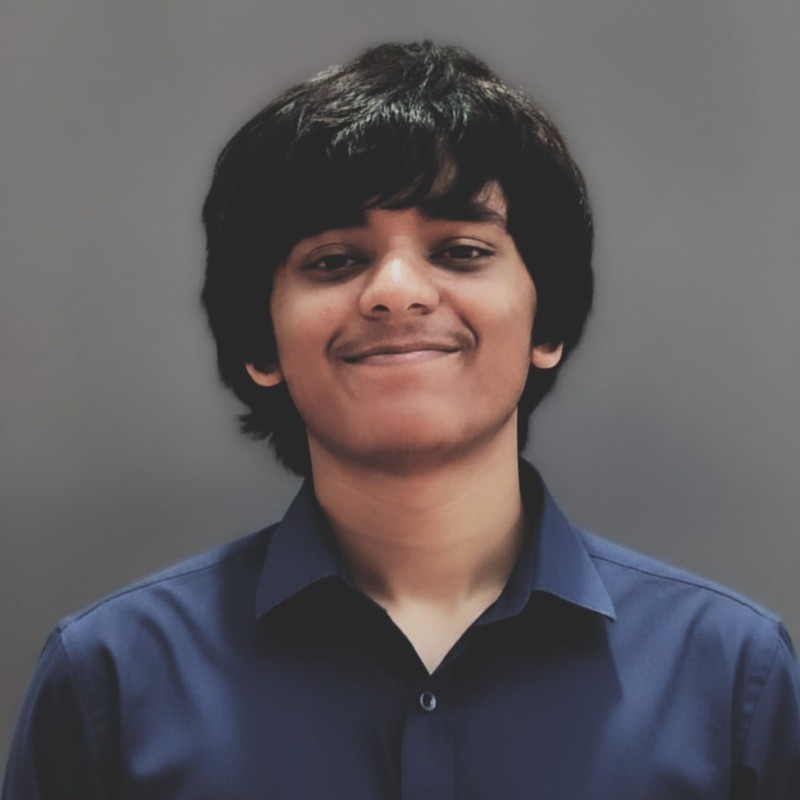
Siddhartha Mahajan
Researcher
Lossfunk
Devansh Agarwal
Undergraduate Researcher
BITS Pilani
For a detailed look at the team involved and their research areas and contact links, visit the Team page.